I took a little break from Stephen King to read American Gods by Neil Gaiman. Battle between the old gods and the new gods with the main character, Shadow, stuck in the middle. My husband and I had opposite reactions to this book. We both agree it’s well written and researched. I liked the story. He did not. I guess we can’t agree all the time. Oh and it’s also a good comp for my god book that is currently just a thought, but I plan to work on after the Arn stories have wormed their way out of my head.
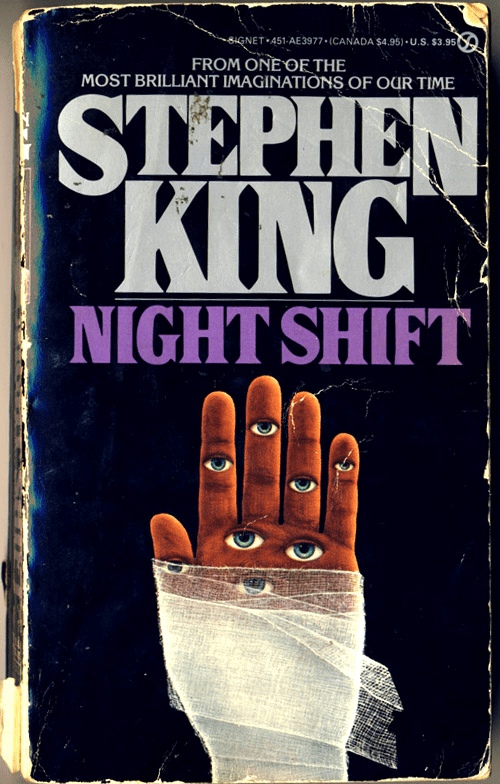
I started reading Night Shift a couple of days ago. It’s a collection of Stephen King’s early short stories. Most of the stories were published before Carrie in different magazines. I say this because I’m only three stories in and each one has a reference or a similar concept to a later book.
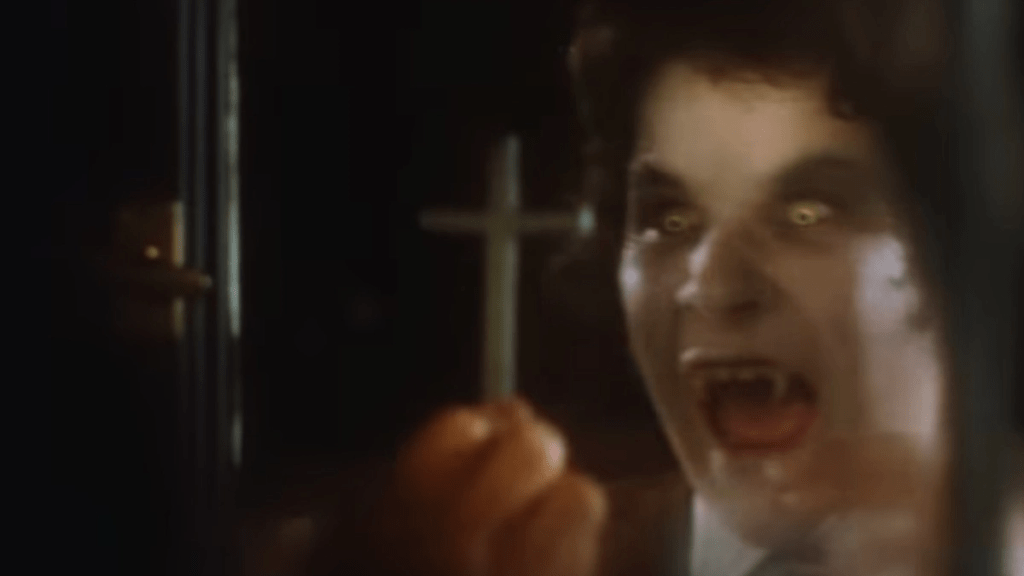
Jerusalem’s Lot, for example, is the first story and the tie in to ‘Salem’s Lot is obvious from the name alone. Indeed, the story is a prequel to ‘Salem’s Lot set in the 1800s. The story comes complete with nosferatu and in a very Stephen King fashion (someone said this is taken from H.P. Lovecraft, but since I haven’t delved into his work, I have no idea) there is a monster under a town (reminiscent of IT and Insomnia).
The next story, Graveyard Shift, also has a monster underground along with workplace angst. The workers manage to do what everyone wants to do if they have a bad boss and feed him to the monster.
Finally, in Night Surf, a group of teenagers are in the middle of the final days of the Captain Trips infection. The same infection killing everyone in the beginning of The Stand.
As I mentioned, most of the stories were written before Carrie was published. The hints at future stories make me wonder at the planning King was doing for his future works. Did the short stories come first and then he built from those? Was he already working on the novels and wrote the short stories as chapters or alongside the main stories? Or was there a master plan for his work and these were some of the off shoots? I have no idea, but I wouldn’t mind asking him if I got the chance. I imagine he’s been asked before.
Anyway, I felt compelled to write this because I was seeing all these connections to future King books. I’ll get back to it and see how the foreshadowing continues.
Here I sit, in a hotel, having just finished The Shining. I’m pretty sure my stay here will be relatively uneventful, but I’ll keep my eye on the exits.
I’ve been teased on more than one occasion these past few weeks about my never having read this book or having seen the movie until now. I still need to watch the movie. Of course, the mocking turns to a bit of awe when I tell them I’ve been inside The Stanley Hotel, which is the muse for The Shining novel. Another hotel in Oregon was used for the movie. One summer about 24 years ago, I was in a summer program in Boulder and we took a day trip to Estes Park and stopped for a pit stop at the hotel. We were only there for a few minutes, but it was long enough to solidify my mental image of the building while reading the book.
Funny enough, there was very little about the book that I didn’t already know. The story has been retold in pieces in so many places. The most vibrant retelling for me has been The Simpsons Treehouse of Horror episode. The book has shown up in many other shows and movies as well and I’ve seen many clips of the movie through the years as well. The plot was pretty well ruined by the time I read the book, but that didn’t take away from it in my opinion.
From the movie. Hmm…this famous scene isn’t in the book.
The Shining revolves around a small family, down on their luck because of the father’s (Jack) foul temper and history of drinking. He sober and unemployed when we meet him and interviewing for the job of winter caretaker of the Overlook Hotel. His marriage is on the rocks because of his drinking and subsequent abuse of his young son, Danny.
Danny has the ability to see into the future and can solve problems for his family from time to time. He struggles with the issues his parents face and has a bad premonition about living in the hotel, but he doesn’t share the information with his parents because they might think he’s crazy and he doesn’t want to mess up the opportunity his father has with this job.
The family moves to the hotel, and, on the first day, Danny meet Dick. Dick is also clairvoyant and recognizes the talent in Danny. He speaks with Danny about the gift. He calls it a shining. He warns Danny about the hotel. Some places have memories of the past. They may be scary, but they can’t harm you, he tells Danny. He tells Danny to call him with the shining if he needs help and he’ll come.
After all the staff has left, the family settles in and waits for winter. Jack works on a play he’s writing and works on the hotel. Most importantly, he relieves the boiler of steam two or three times a day so that it won’t explode. Jack and Danny begin to have odd experiences in the hotel.
After they are snowed in, Jack begins to lose his grip on reality. Danny has a terrifying experience and his mother wants to take him down the mountain on the snowmobile the hotel owns. Jack sabotages her efforts and the family must stay in the hotel. Danny realizes his father is no longer safe and calls for Dick. Dick, in Florida, drops everything and begins his journey to the hotel.
Another from the movie. This is in the book….sort of.
I’ll end my summary there. I really enjoyed the book. When I was younger, I did start to read it, but couldn’t get past the beginning. I don’t think I was relating to Jack very well. I was a teenager and he was older and interviewing for a job. I just didn’t connect. Now, it’s a lot easier to relate.
Oh and talk about relating. King almost convinced me (without trying) that I wanted to be a winter caretaker of a Colorado mountain hotel. The introvert in me thought it sounded awesome. The cook in me wanted the run of the fully stocked professional kitchen. A nice mountain view to sit next to and write with no access to the outside world sounds awesome, at least for a little while. This was in the 70s and I can’t imagine I’d be as enthusiastic without access to the internet. Maybe with a big pile of books…maybe.
All that in mind, I wouldn’t want to have the danger of a broken boiler hanging over my head all the time. Sleeping in once and BOOM! The whole place goes up. No thank you. I struggle with the idea that a big, swanky hotel would prefer to risk the loss over replacing the boiler. It just doesn’t make sense. Also, what happened those earlier years when bad things happened to the caretaker? Maybe it wasn’t as bad then and didn’t need to be depressurized as frequently.
I love King’s ability to introduce multiple characters and give in depth details about their lives without burying the reader in the details. I feel like I get to know the characters well. The Shining did an excellent job of this. Jack is an angry man and it stems from the confusion about his father’s love mixed with his abuse. He drank to ease his stress around his job and responsibilities to his family. His drinking led to him breaking his son’s arm when he was very small. He’s spent the years since trying to make up for it by quitting drinking, but still has a foul temper, which lost him his job. His wife, Wendy, has no good options and does her best to tolerate Jack and protect Danny. If she left Jack, she would have to move back with her mother because she doesn’t have a career or financial protections. Danny is a precocious child, which seems to be a side effect of his powers. He’s able to see into the minds of the adults around him and so can put together the problems of the adult world in a way no other child under six can. He’s so brave throughout the book, both when handling his parent’s problems and when facing the evil in the hotel. Finally, Dick is an awesome character. I love his wit and his devotion to Danny based on a short meeting. He’s figured out what he wants out of life and isn’t afraid to rock his boat to help others. Great character.
On to the next one. Night Shift. I think I read this one back in the day, but I don’t remember a thing about it. Also, I found a woman on Facebook who was selling her Stephen King books and added a ton of his books to my library. I probably still have less than half of his books, but I grabbed a good chunk of them.
Ok first off, a trigger warning. This book is about a school shooter.
That said, I’m a little torn about how to review this book. The topic is so much more in our face now than when the book was written. We’ve all been affected by the epidemic of mass shootings in the US. My 11-year-old son has lockdown drills and we’re all more wary when we’re out in public. I’m wary of saying something that can be misconstrued. Not that I have any controversial opinions about school shootings. They’re bad and they’re an indicator of a mental health crisis in our country. I don’t think many people would disagree with those two thoughts. The more nuanced arguments people make may or may not play a role, but the mental health crisis is probably the most important. How we fix that is much harder to figure out.
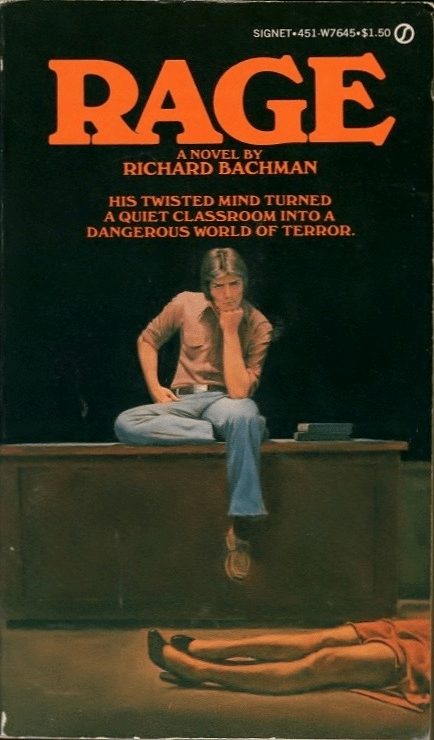
Rage was written in 1977 by Richard Bachman. A few years later, Bachman was outed as a pseudonym of Stephen King. In the Introduction to the Bachman compilation book, King gives several reasons for writing under a pseudonym, my favorite being that he wanted to see how well books would sell without his name attached. In terms of books, Rage did ok, but in terms of Stephen King books, even at this early point in his career, it flopped. Later, when everyone knew who Bachman was, the sales went up significantly. Funny enough, since I knew it was Stephen King, I could tell within a few pages that he wrote the book. The character development, the setting, it was all very King. He noted people were asking him if he was Bachman almost as soon as the book hit the shelves. Even so early in his career, his style stood out.
The other reason for publishing under a pseudonym and probably the one that made the ultimate decision to publish as such was that the publishers themselves believed there were too many (?) King books coming out at that time. I’m not certain this was the reason, but I’ve seen this mentioned a few times now. Whatever the reason, it makes for an interesting history of the few Bachman books we have.
In Rage, a teenage boy is expelled from his school for attacking a teacher and proceeds to burn his locker, shoot his teacher, take his class hostage, and shoot another teacher (administrator?). The remainder of the book bounces between the events in and around the classroom and the stories about the past told by the main character and the other students. The main character doesn’t kill any of his classmates and is shot by the police, ending the standoff. The book is being told by the main character after the shooting and his recovery while he’s in a mental institution.
Rage was taken out of print in 1998 after numerous incidents, both shootings and hostage-takings, that resembled the book in one way or another. King, feeling disconcerted that his work may have influenced such actions, asked his publisher to remove the book from print. They complied and now, the book is only available used and I’ve only found it (at a reasonable price) in the compilation book with three other Bachman novels that are still in press. Incidentally, the first printing of Rage is for sale at Abebooks.com for a mere $15,000. Oh and it’s signed by Stephen King.
So, why was it written in the first place? King has said the book drew upon his own frustrations and pains in high school. He knew they were reflective of mental illness, as well. I couldn’t relate as well to the main character’s specific issues, but I could empathize. His father treated him poorly and no one was in tune with his mental state. He had issues with other students and teachers. He had an embarrassing encounter with a girl in the book, but he seemed to get along with the girls for the most part. I had the impression the main character was a Holden Caulfield type, the Catcher in the Rye version. Did you know Salinger wrote multiple versions of Holden Caufield in his career and they weren’t always the same angry kid? His anger revolved around his father and the school administrators. Ultimately, Holden didn’t shoot up his school or anything so dramatic, but his angst left an impression on many high school students because we all have frustrations, anxiety, anger, etc. in high school. Holden captures that, and I wouldn’t be surprised if he was a template for Charlie, King’s shooter.
Do I feel like Rage caused school shootings? No, of course not. There are so many images in our society a troubled youth can draw from for inspiration. Rage may have come early relative to the timeline of school shootings in the US and maybe someone was inspired by it, but I can’t fault it. I remember Marilyn Manson being blamed for Columbine.
Personally, my son has been understanding the meaning of songs more recently and gave me a shocked look when he finally understood the lyrics of Pumped Up Kicks. I told him the purpose of the song, and we discussed the importance of talking about our feelings and getting help. Because of this, I think books like Rage and the music I mentioned can be important in educating our kids about their own metal health.
At the end of all this, I’d say the book was pretty decent. It’s short at 131 pages. I found myself feeling sympathy for all the students. Each one had some traumatic experience that made them understand Charlie. That could also be my biggest complaint about the book. The reaction to the initial shooting and being held hostage was unrealistic to me with the exception of one student. Ted was the popular, jock-type and consistently seemed to be looking for a way to get out of the situation. The other students played along with Charlie. They told their own stories. One even left the classroom to use the restroom and came back. The situation seemed more than a little unlikely.
On to The Shining. It’s the first big, well-known, popular King book I’ve never read. I’ve also never seen the movie, so all new for me.
So, I love vampire stories. Dracula, Anne Rice, Lost Boys, Fright Night, Blade, the Buffy-verse, even Twilight (though it gets a little rough when I start thinking about the relationship dynamics going on there). So many others. Serious and silly, I enjoy them.
Salem’s Lot is quintessential vampire. They can’t go out during the day. Holy water and crosses hurt them if the wielder believes in them. They can’t enter a home without permission and hypnotize their victims to get inside. They can mist through things and their reflections are not solid if present at all. A stake to the heart is the preferred method to kill them.
When people break these vampire “rules”, the story is harder to enjoy. I just think the author is trying to fix holes in their plot. Twilight is the worst of the rule breakers. Blade also breaks the rule but has a much better plot line explaining why Blade can go out in the daylight.
Salem’s Lot is a small town in Maine. Writer Ben Mears has returned to the Lot to work on a book about the town’s most notorious murder/suicide and the home it happened in, Marsten House. He planned to rent the house and write his book there, but he learned the home had been purchased. The new owners seemed to be moving in around the time Ben arrived in town.
A small boy disappears one night in the woods and his older brother is stricken with illness and can’t remember what happened to them. Eventually the older brother dies. Others come down with a similar illness and die as well.
Ben and his group of friends suspect the new owners of Marsten House are vampires and come up with a plan to confront them. One-by-one, Ben’s friends are picked off until it is just him and a boy from town. They manage to kill the head vampire and then flee town.
My biggest complaint about this book is how fast Ben and his friends decide a vampire is running around, almost like it was an everyday problem. Sure, they get concrete confirmation soon enough, but the initial jump to that conclusion was too soon.
Otherwise, I think this is a great book. The character development is spot on, which I expect from Stephen King. He can give a random, short-lived character life in a way that few other authors manage.
Next up, I’m reading Rage by Richard Bachman (aka Stephen King). King made the pseudonym because back in the 1970s, a writer couldn’t publish more than one book per year (source: https://en.wikipedia.org/wiki/Richard_Bachman). King is known for being prolific to the extent that I’ve heard some people say he has a team of writers working for him to churn out his books. Seems unlikely to me, but you never know for sure. Either way, I don’t really care. I still enjoy his books.
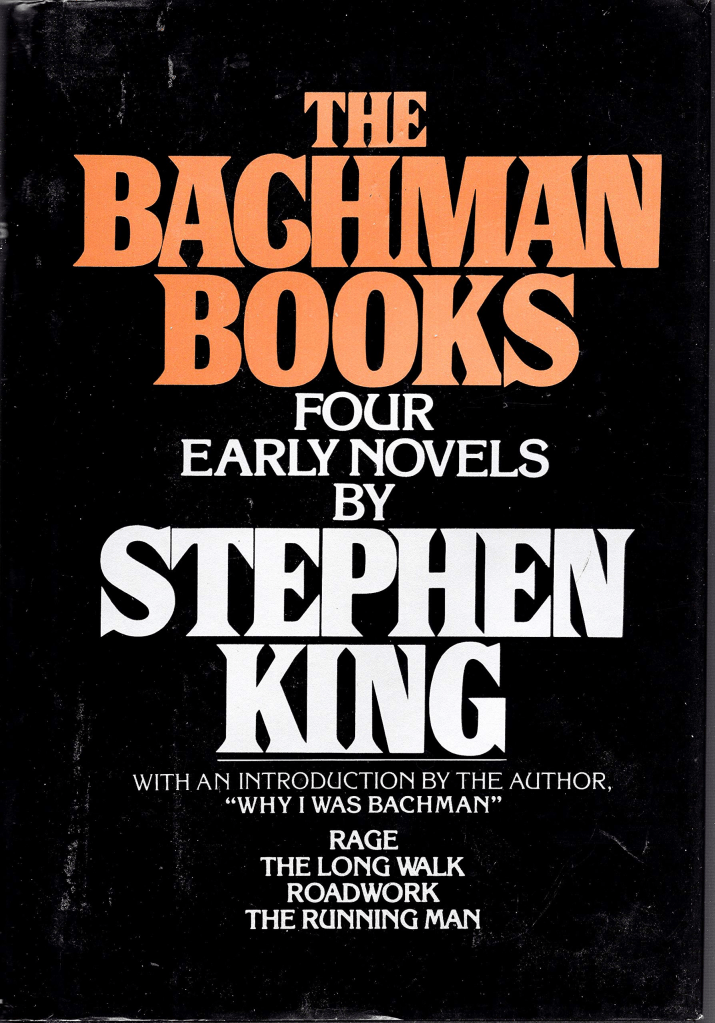
I found there was a hurdle to reading everything King, out-of-print. Rage is the first book I’ve come to in King’s list that is OOP. There was a collection of the Bachman books (image above), but that is also OOP. I found an old used copy for sale online finally so I’ll be able to keep reading everything in order.








 S. E. Baran